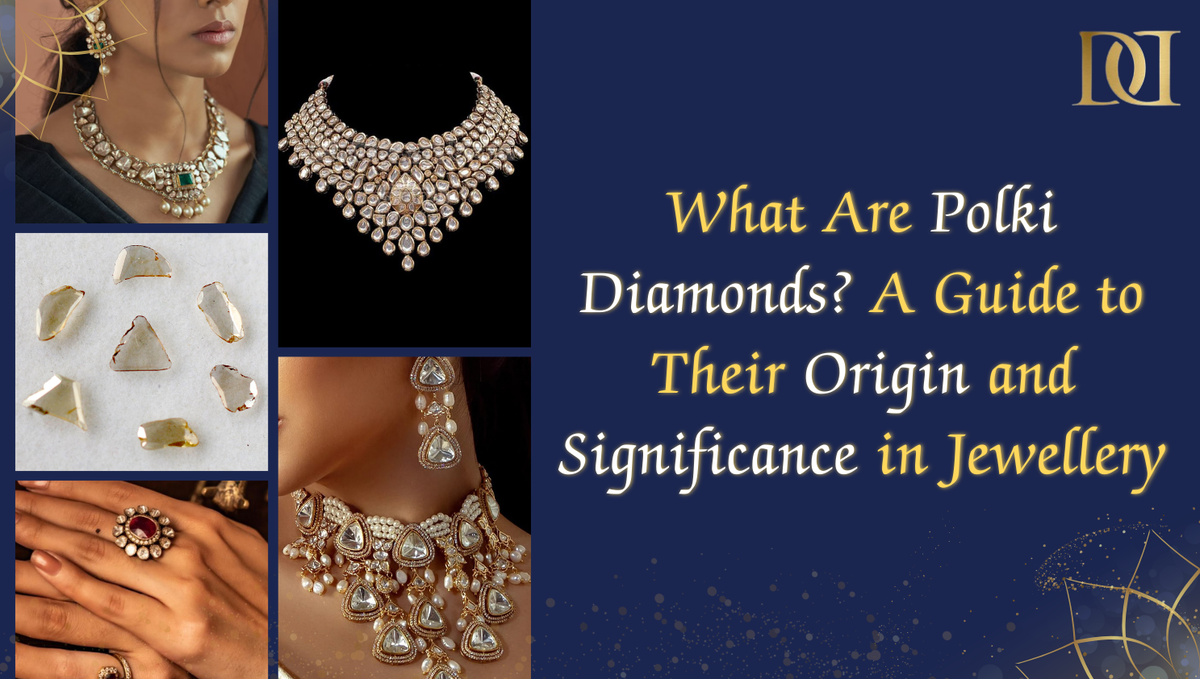


The Real Cost Breakdown of a Diamond Ring
Whether you are buying a diamond ring for an engagement, a proposal, or a milestone celebration, it is an emotional experience. But before choosing the perfect piece, it’s important to understand what you’re really paying for. Most buyers see the final price but aren’t aware of how much goes toward the diamond, the gold, craftsmanship, brand value, and other charges.
This guide breaks down the true cost structure of a diamond ring so you can shop confidently and make an informed decision—especially if you’re buying from trusted retailers like Devi Diamonds, where pricing transparency is a core value.
1. The Diamond: The Biggest Cost Component
The diamond, whether lab-grown or natural, is usually the most significant part of the cost, often accounting for 60% to 80% of the ring’s final price.
What Determines Diamond Price? The 4Cs
Every diamond is evaluated based on:
- Cut – the most important factor for sparkle
- Color – graded D (colorless) to Z (light yellow)
- Clarity – inclusions, spots, and imperfections
- Carat Weight – size of the diamond
Lab-grown diamonds, like those at Devi Diamonds, follow the same 4Cs but cost 60–70% less than mined diamonds and offer identical brilliance and certification at the same time.
2. Metal Cost: Gold or Platinum
The second major factor is the cost of the metal used for the ring band.
Gold Prices
Gold comes in different purities:
- 18K Gold (75% gold) – most commonly used in diamond rings
- 14K Gold (58.5% gold) – slightly cheaper, durable
- 22K Gold (91.6% gold) – rarely used for diamond rings because it is too soft
Gold price is calculated based on:
- Weight of the band (in grams)
- Current market rate of gold (which changes daily)
Platinum Prices
Platinum rings are heavier and more premium. Platinum is more expensive per gram but offers a superior finish and long-lasting durability.
3. Making Charges: Paying for Craftsmanship
Making charges include:
- Artisan labor
- Design detailing
- Setting of the diamond
- Polishing and finishing work
These charges vary based on the ring’s complexity.
Types of Making Charges
- Fixed charges
- Percentage-based charges (approx. 8% – 20% of gold price)
- Higher charges for intricate designs
- Special charges for solitaire settings
Rings with micro-pavé diamonds, hidden halos, hand engraving, or custom designs have higher making costs.
4. GST & Other Taxes
In India, every diamond ring purchase includes:
- 3% GST on the total bill value
There are no hidden taxes, but always ensure the jeweller gives a proper invoice.
5. Certification Charges (Optional but Important)
Certification is essential for authenticity. It is important to get a certified diamond to make sure you are getting what you are paying for.
Common Diamond Certificates
- IGI (International Gemological Institute)
- GIA (Gemological Institute of America)
- SGL (Solitaire Gemmological Laboratories)
Certification charges typically range from ₹1,500 to ₹5,000, depending on size and lab.
Devi Diamonds provides IGI and GIA certified lab-grown diamonds, ensuring that you get the highest quality of product with full transparency and trust.
Putting It All Together: Example Cost Breakdown
Let’s take a realistic example:
A 1-carat lab-grown diamond ring in 18K gold (based on approximate costs)
|
Component |
Approx. Cost |
|---|---|
|
Diamond (1 carat, VS clarity, F color) |
₹1,20,000 |
|
18K gold (3 grams @ ₹5,200 per gram) |
₹15,600 |
|
Making charges |
₹6,000 |
|
Certification (IGI) |
₹2,000 |
|
GST (3%) |
₹4,350 |
|
Total Estimated Price |
₹1,47,950 |
This helps buyers understand where every rupee goes—no confusion, no hidden markups.
Why Understanding the Breakdown Matters
Most buyers wonder:
“Why do two rings with the same carat weight vary so much in price?”
“How do I know I’m not overpaying?”
Knowing the cost components helps you:
✔ Compare prices across jewellers
✔ Avoid overpriced making charges
✔ Choose the right metal and diamond quality
✔ Stay within budget
✔ Make a smarter long-term investment
At Devi Diamonds, clear cost transparency is one of our core pillars. We explain every element of the price so our customers always make informed decisions.
Tips to Save Money When Buying a Diamond Ring
Here are smart ways to get maximum value without compromising quality:
✔ Choose lab-grown diamonds
You get larger, higher-quality stones for the same budget.
✔ Consider near-colorless diamonds (G–H range)
They look stunning but cost less than D–F.
✔ Opt for 18K instead of 22K gold
It's perfect for diamond settings + cheaper.
✔ Keep the design elegant
Intricate designs = higher making charges.
✔ Buy from trusted brands like Devi Diamonds
You get certification, quality assurance, and competitive pricing.
Final Thoughts
A diamond ring is more than jewellery, it’s a symbol of love, commitment, and celebration. Understanding the real cost breakdown empowers you to choose confidently and invest wisely.
Whether you're looking for an elegant solitaire ring , a halo ring, or a fully custom-designed piece, Devi Diamonds ensures unmatched brilliance, craftsmanship, and value—every single time.

Written by Vansh Bumb